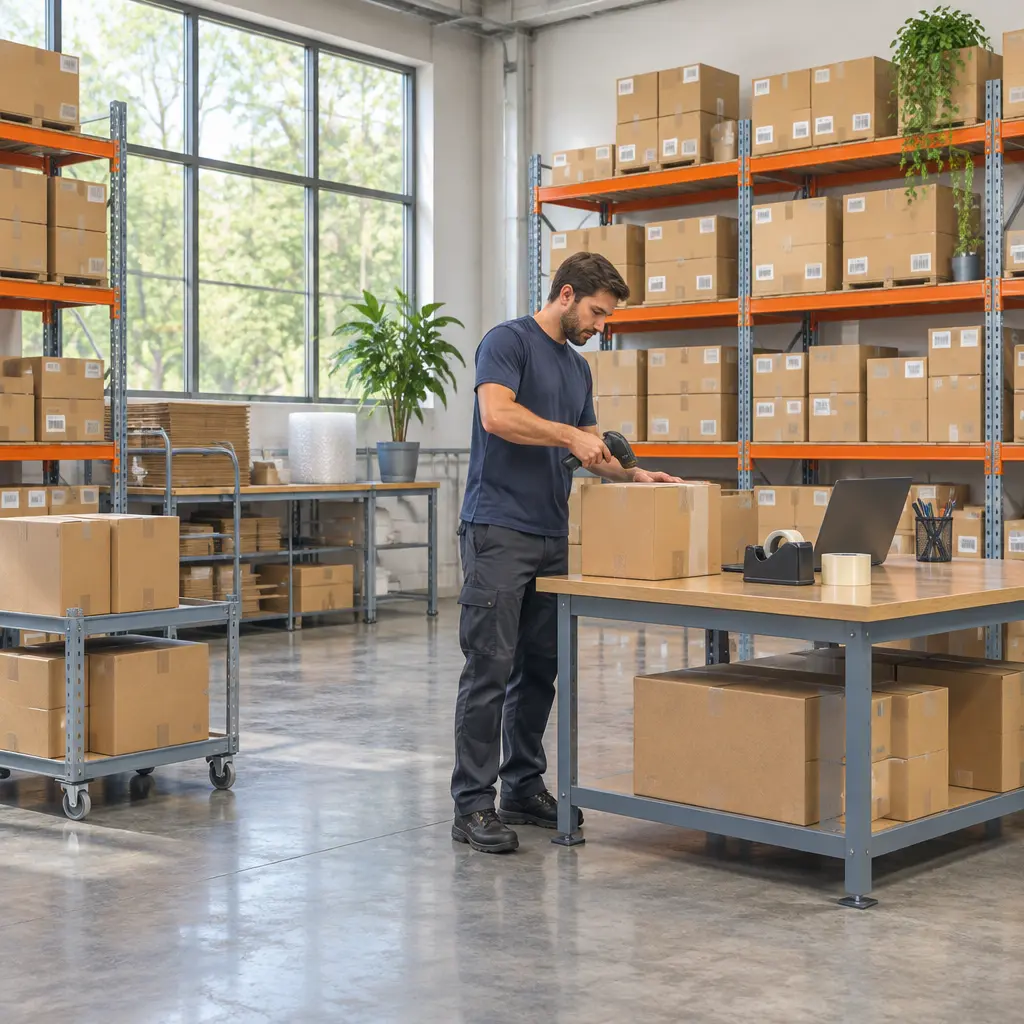
Storage capacity is the amount of usable space available to keep belongings organized and accessible. You can increase it without moving by making better use of vertical space, choosing furniture with built-in storage, reducing unused possessions, and improving how closets, cabinets, and garages are arranged. These approaches matter in a country where the U.S. Census Bureau reported that the median size of new single-family homes sold in 2023 was 2,286 square feet: even a relatively spacious home can feel cramped when its storage is poorly planned.
Home Storage Capacity: Definition and Practical Measures
Home storage capacity is the usable volume and surface area available for keeping possessions, considered together with how safely and easily those possessions can be reached. It is not simply the number of shelves or bins: a storage system also needs to fit the items, preserve walkways, and make frequently used belongings convenient to retrieve. The National Association of Home Builders’ 2024 “What Home Buyers Really Want” report identifies storage features such as a walk-in pantry and linen closet among the amenities buyers value, reflecting the practical importance of organized household space.
The strategies below increase effective capacity in three ways: they reclaim overlooked areas, use existing space more efficiently, or reduce the volume of items that must be stored. Start by measuring the areas you want to improve and identifying what needs to remain accessible. Then choose a mix of the following ten methods.
Increase Storage Capacity by Using Vertical and Overlooked Space
1. Install Shelves Up to the Ceiling
Vertical storage uses wall height that would otherwise remain empty. Add appropriately secured shelves above desks, laundry appliances, or existing cabinets, and reserve the highest shelves for seasonal or infrequently used items. Measure ceiling height, door swings, and access needs before installation. Use anchors suited to the wall type, and do not place heavy objects overhead where they could fall or be difficult to lift safely.
2. Make the Space Under Beds and Furniture Useful
Under-bed storage turns low, often unused space into a place for linens, off-season clothing, or other lightweight items. Select containers that fit the bed’s clearance and can slide out without scraping the floor. Under sofas, benches, and consoles, use lidded baskets or drawers where suitable. Keep items that need frequent access elsewhere, and avoid storing belongings in a way that blocks vents or creates a tripping hazard.
3. Use the Back of Doors and Cabinet Doors
Door-mounted organizers add pockets, hooks, or narrow shelves without taking up floor area. They can hold cleaning supplies, accessories, pantry packets, or toiletries, depending on the door and organizer. Check the door’s weight capacity and make sure the added hardware does not interfere with hinges, handles, or nearby walls. In kitchens and bathrooms, choose materials designed to handle the room’s moisture and cleaning conditions.
Increase Storage Capacity Through Furniture and Flexible Layouts
4. Choose Furniture with Built-In Storage
Storage furniture combines a household function with enclosed or concealed space. Examples include beds with drawers, ottomans with lift-up lids, benches with compartments, and coffee tables with shelves. Before buying, check the item’s dimensions, capacity, opening clearance, and whether its contents will be easy to reach. Built-in storage is most useful when it replaces a separate storage piece rather than adding more bulky furniture to the room.
5. Add Modular Shelving and Adjustable Closet Systems
Modular systems use interchangeable shelves, drawers, rods, and baskets to match storage to changing needs. In closets, combining double-hang sections for shorter garments with a full-length section for dresses or coats can make better use of the available height. Adjustable shelves also help accommodate boxes and household equipment of different sizes. Secure freestanding or wall-mounted units according to their instructions, especially in homes with children.
6. Create Flexible Zones in Multipurpose Rooms
A flexible storage zone gives each activity a defined place without permanently dedicating an entire room to one purpose. A home office might use a closed cabinet for supplies and a rolling cart for projects; a guest room could use labeled bins for bedding and office equipment. Keep frequently used items close to where they are needed, and use mobile storage only when it can be moved without blocking exits or walkways.
Increase Storage Capacity by Improving Organization
7. Declutter Before Buying More Storage
Decluttering increases usable capacity by reducing the number of items competing for limited space. Sort belongings into categories such as keep, donate, recycle, repair, and discard, then make decisions based on use, condition, and genuine need. The U.S. Environmental Protection Agency encourages reuse and donation as ways to keep usable goods in circulation and reduce waste. Measure and plan storage after sorting; otherwise, new bins can simply make it easier to keep items that are no longer useful.
8. Group Similar Items and Label Containers
Category-based organization keeps related belongings together and reduces the time spent searching. Group items such as batteries, baking supplies, or children’s art materials, then use clear or consistently labeled containers sized to the contents. Labels are particularly helpful for opaque bins and shared household storage. Keep heavy containers low, avoid overfilling them, and leave enough space to remove items without unpacking an entire shelf.
9. Store Seasonal Items Where They Are Safest and Least Needed
Seasonal rotation moves items that are not currently in use out of prime, easy-to-reach locations. Store off-season clothing, holiday decorations, or recreational equipment in suitable closets, high shelves, or other dry areas, while keeping daily essentials accessible. Use containers appropriate to the items and conditions: for example, avoid sealing away anything that must breathe or could be damaged by moisture. Label each container with its contents and the season so rotation remains practical.
Increase Storage Capacity Safely in Utility Areas
10. Reorganize the Pantry, Laundry Room, and Garage
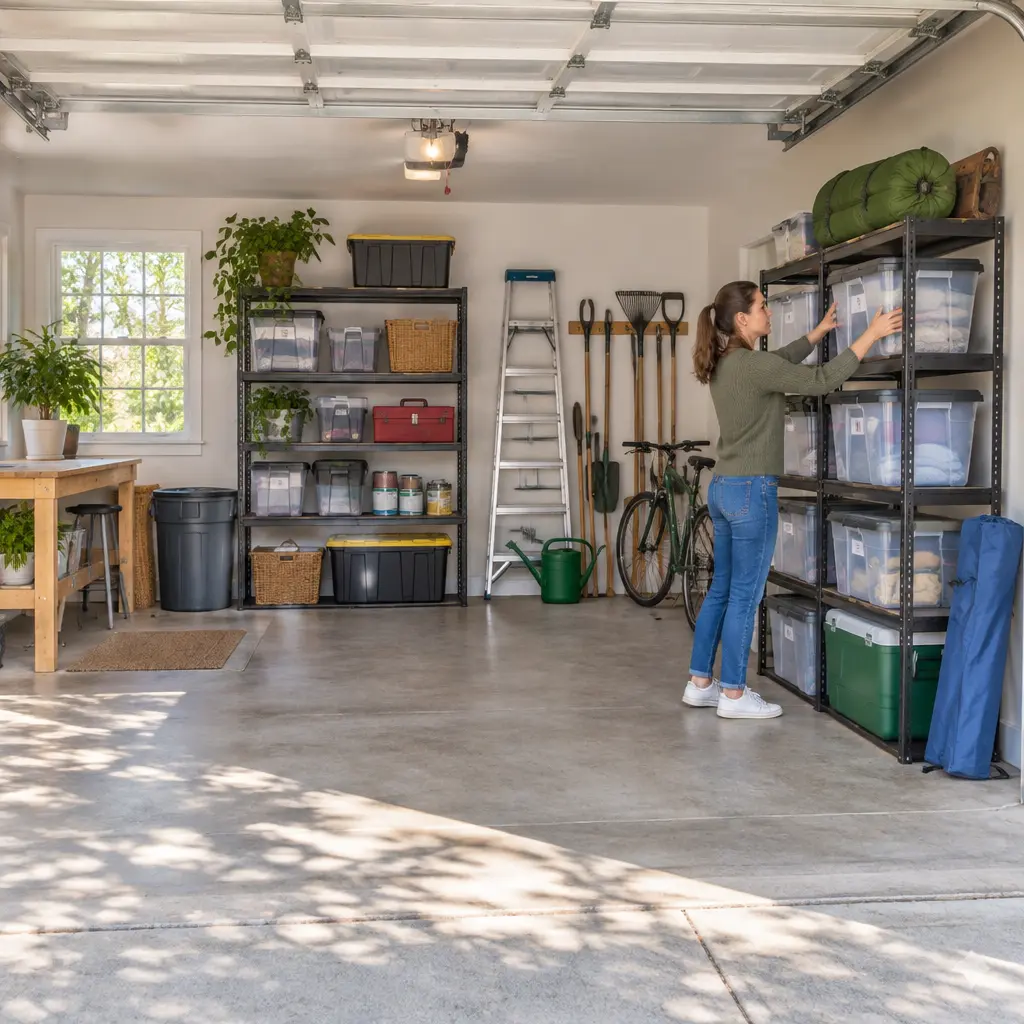
Utility areas often gain capacity from a combination of adjustable shelving, wall hooks, labeled bins, and clear zones. In a pantry, use risers or shallow baskets to make small packages visible. In a laundry area, store supplies on shelves while keeping them away from children and pets. In a garage, use wall-mounted racks for appropriate equipment and keep walkways and access to electrical panels, appliances, and exits clear. The U.S. Fire Administration advises keeping combustible materials away from heat sources, so do not place storage near furnaces, water heaters, or other equipment unless its safety clearances allow it.
A Practical Plan for Increasing Home Storage Capacity
The most effective storage improvements begin with an inventory, not a shopping trip. Measure the space, decide what belongs there, and note which items need frequent access. Declutter first, then combine vertical shelving, suitable furniture, door organizers, and labeled containers as needed. Treat a simple room sketch or before-and-after checklist as a useful planning chart: record shelf dimensions, intended categories, and any safety limits before installing or buying equipment.
Conclusion
Increasing storage capacity without moving is possible by using vertical and overlooked space, selecting furniture and modular systems that serve more than one purpose, organizing belongings by category, rotating seasonal items, and reducing clutter. The right combination makes existing space easier to use without compromising safety or access. Begin with one crowded area, measure it, and try the changes that suit its contents before expanding the system to the rest of your home.
Sources: U.S. Census Bureau, Characteristics of New Housing, 2023, https://www.census.gov/construction/chars/; National Association of Home Builders, What Home Buyers Really Want, 2024, https://www.nahb.org/news-and-economics/housing-economics/special-studies/what-home-buyers-really-want; U.S. Environmental Protection Agency, Reducing and Reusing Basics, https://www.epa.gov/recycle/reducing-and-reusing-basics; U.S. Fire Administration, Home Fire Safety, https://www.usfa.fema.gov/prevention/home-fires/